在一場精彩的 FPS 比賽中, 聲音通常會先於螢幕提供訊息. 您可能會聽到從另一個房間接近的腳步聲, catch a burst of gunfire behind you, or hear a teammate call out an enemy position before you have time to react. Those details can influence whether you hold your position, turn around, or move toward the fight. 🎮
That makes audio an important part of competitive gaming. A wireless gaming headset can support this experience with clear stereo sound while giving players more freedom around the gaming setup. It is not just about making the game sound bigger or louder. What matters is whether the headset reproduces useful audio cues clearly and remains comfortable enough to wear through a long session.
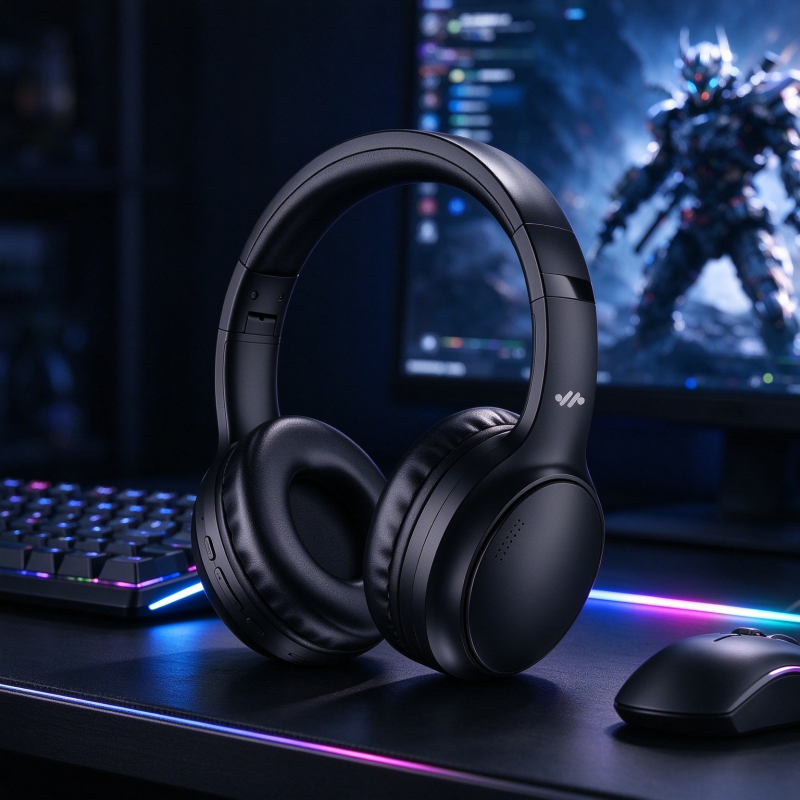
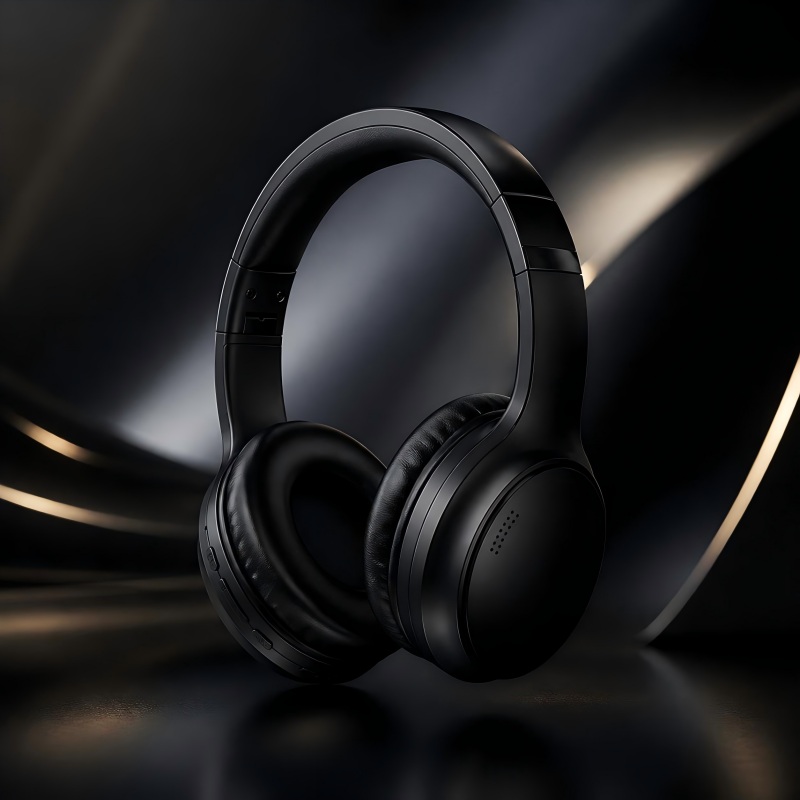
The AULA H100 Wireless Headset takes a practical approach, combining stereo sound, Bluetooth connectivity, a noise reduction microphone, lightweight construction, and up to 24 音樂播放時間.
Why Does Spatial Awareness Matter in FPS Games? 🎯
An FPS player never has a complete view of the environment. An opponent can move behind a wall, enter from the side, or approach from an area outside the screen. Sound fills in some of that missing information.
Footsteps are one of the most familiar examples. Their direction and changing volume can indicate that another player is moving nearby. Gunfire can reveal where an engagement is happening, while reloads and equipment sounds may provide clues about what an opponent is doing. Even doors, vehicles, explosions, and other environmental sounds can help establish a sense of position.
The useful information is often subtle. Players are not simply looking for louder audio. They are listening for differences in direction, timing, distance, and sound character. A headset needs to reproduce those details clearly enough for the player to recognize them. 🔊
How Does Stereo Sound Help With Directional Cues? 🎧
The human hearing system uses differences between the sounds reaching the left and right ears to help determine where a sound is coming from. Games use the same basic principle when positioning audio in a virtual environment.
Imagine an opponent moving from your left side toward the center of the screen. As the sound shifts between the two channels, you may notice the change before the character becomes visible. The more clearly the headset reproduces that difference, the easier it is to interpret the movement.
The AULA H100 uses stereo sound with clear highs, 豐富的中頻, 和深沉的低音. Each part of the frequency range contributes differently to the overall listening experience. Voices and many gameplay details sit around the midrange, higher frequencies can carry finer details, and lower frequencies give weight to explosions, impacts, and other effects.
A good gaming headset does not need to make every frequency aggressive. Too much bass, for example, can make explosions sound impressive while masking quieter details. For FPS gaming, a balanced presentation is generally more useful because it leaves room for both major sound effects and smaller audio cues.
Which Audio Cues Matter Most in FPS Games? 👂
Players gradually develop their own way of reading game audio, but several cues tend to matter across different FPS titles.
Footsteps can reveal movement and proximity. Changes in volume or channel balance may help indicate where another player is moving.
Gunfire can provide information about the location of an active fight, even when the opponent is outside the player’s immediate field of view.
Reloading and equipment sounds can also influence a decision. Hearing an opponent reload may create a short opportunity to reposition or push.
Environmental sounds add context. Doors opening, vehicles moving, explosions, and other effects can help players understand what is happening beyond the center of the screen.
None of these sounds is useful in isolation. Players learn to combine them with what they see on screen, the game map, and information from teammates. The headset’s job is to reproduce the audio clearly enough that these details are not lost. 🕹️
What Does Wireless Connectivity Add? 📶
Wireless connectivity does not automatically improve audio positioning, but it can make the overall setup more convenient.
A cable is rarely a problem when someone sits at a desk in exactly the same position for hours. It becomes less convenient when the headset is used across different devices or when the player moves around during everyday use.
The AULA H100 supports Bluetooth connectivity and works with smartphones, 片劑, 筆記型電腦, 和其他支援藍牙的設備. A player can therefore use the same headset for gaming, 音樂, video, and calls without being tied to a single wired setup.
There is one important distinction for FPS players: Bluetooth support by itself does not guarantee a particular level of gaming latency. Actual performance depends on the Bluetooth implementation, connected device, codec, operating system, and other factors. Players who focus heavily on competitive FPS gaming should check the specific wireless performance provided by the headset and their gaming platform.

Why Does the Microphone Matter? 🎙️
Team communication is another part of FPS gameplay that often gets overlooked when people talk about spatial awareness.
A teammate’s callout might be as simple as telling you that an opponent is behind a building or moving toward a particular position. When communication is fast and clear, the information can be acted on immediately. When background noise overwhelms the microphone, even a useful callout can become difficult to understand.
The AULA H100 features a noise reduction microphone designed to reduce unwanted background noise during voice communication. This can be useful when playing in a shared room or other environment where complete silence is unrealistic.
The microphone does not affect the headset’s stereo imaging, of course. Its role is different: it helps make the information going from the player to the team clearer, complementing the audio information coming from the game. 💬
Why Comfort Matters More Than It Seems? 😌
A headset can sound good and still become frustrating after a few hours.
Competitive games require sustained attention. Players are watching the screen, listening for movement, communicating with teammates, and controlling the game simultaneously. If the headset puts too much pressure on the ears or becomes uncomfortable, it becomes another distraction.
The AULA H100 uses soft ear cushions, an adjustable headband, and a lightweight design for extended wear. These are straightforward design choices, but they matter during longer sessions.
Comfort is especially relevant for players who use the same headset for more than gaming. A device that can comfortably handle a gaming session, a video call, or several hours of music has more practical value than one designed around a single short use case.
How Important Is Battery Life? 🔋
Wireless convenience also means keeping an eye on the battery.
The AULA H100 uses a 300 mAh battery and provides up to 24 hours of music playback under stated conditions. A charge indicator helps users check the remaining battery level, and Type-C charging makes recharging straightforward.
The actual runtime will vary with volume, connection conditions, and usage. Even so, longer battery life reduces the need to stop and recharge during the day, particularly when the headset is being used for more than gaming.
That matters for a wireless headset because its usefulness often extends beyond the gaming desk. Music, 來電, mobile entertainment, and casual gaming can all draw from the same battery. ⚡
Is Portability Important for a Gaming Headset? 🎒
Gaming equipment is increasingly used outside a traditional desktop setup. A player might use the same headset at home, while travelling, or with a laptop or smartphone.
The AULA H100 has a foldable design, making it easier to store and carry. Bluetooth connectivity further supports this kind of flexible use, while its water-resistant design makes it suitable for workouts and outdoor activities.
These features do not improve FPS audio directly. They improve the practicality of owning one headset for several parts of daily life.
What Should You Check Before Buying a Wireless Gaming Headset? 🔍
There is no single specification that determines whether a wireless gaming headset is suitable for every player. The right choice depends on how the headset will actually be used.
For FPS gaming, start with the sound. Look for clear reproduction across the frequency range and consider how easily you can distinguish voices, environmental sounds, footsteps, and other gameplay cues.
Then check the wireless connection and supported devices. Bluetooth is convenient for everyday use, but competitive players should pay attention to the actual latency and compatibility of the headset rather than assuming that every wireless model performs in the same way.
The microphone deserves attention if you regularly play team-based games. Noise reduction can be particularly useful in environments with background conversation, 鍵盤聲音, or other distractions.
Comfort and battery life become increasingly important as playtime gets longer. Soft cushions, an adjustable headband, lightweight construction, sufficient battery capacity, and convenient Type-C charging can all affect the experience after the first hour of use.
最後, consider the headset beyond gaming. Foldability, 可移植性, water resistance, device compatibility, and easy controls can make a difference if the headset is expected to handle music, 來電, 旅行, and everyday listening as well. 🎮🎵

AULA H100: Built for Gaming and Everyday Listening 🖥️
The AULA H100 Wireless Headset combines a straightforward set of features aimed at flexible daily use.
Its stereo audio system delivers clear highs, 豐富的中頻, 和深沉的低音, while the noise reduction microphone supports clearer voice communication. Bluetooth connectivity allows the headset to work with smartphones, 片劑, 筆記型電腦, 和其他相容設備.
For longer use, the H100 features soft ear cushions, an adjustable headband, and a lightweight construction. Its 300 mAh battery provides up to 24 音樂播放時間, with a charge indicator and Type-C charging for easier battery management.
The foldable design makes the headset easier to carry, while water resistance adds flexibility for workouts and outdoor activities. Simple controls handle power, 來電, and volume without requiring users to constantly reach for the connected device.
The result is a wireless headset that fits into both gaming and everyday listening, rather than being limited to a single environment.
Final Considerations 🎧
Spatial awareness in FPS games comes from a combination of visual information, game knowledge, and audio cues. Footsteps, gunfire, reloads, environmental sounds, and teammate communication can all reveal information that is not immediately visible on screen.
A wireless gaming headset can support that process by providing clear stereo audio while removing the physical restriction of a cable. Beyond sound, microphone clarity, 舒適, 電池壽命, 連接性, and portability all influence how useful the headset becomes over a full day of gaming and everyday use.
The AULA H100 Wireless Headset brings these elements together in a lightweight Bluetooth design. For players who want one headset for FPS gaming, 音樂, 來電, mobile devices, and general use, its combination of stereo sound, noise reduction, comfortable construction, and long playtime makes it a practical option. 🎮🎧