
A good gaming headset does more than make a game louder. The right sound can help you notice a player approaching from behind, pick out small environmental details, and stay focused when a match gets intense. At the same time, a headset that feels heavy or keeps you tied to your desk can become annoying during a long session.
That is where a wireless gaming headset can make a noticeable difference. Without a cable running across the desk, players have more freedom to move while still getting the sound and communication features they expect from a modern gaming headset.
For gamers who spend several hours at a time playing on PC or other devices, Aula wireless headsets combine wireless connectivity, immersive audio, comfortable wearing, and practical controls in a setup designed for everyday gaming.
Why Does Wireless Connectivity Matter for Gaming?
A wired headset still has its place, particularly for players who prefer a simple connection and do not want to think about battery life. But wireless gaming has become more practical as wireless technology has improved.
The biggest difference is convenience.
With a wireless headset, you can move away from the desk without pulling a cable with you. You can also take the headset off when stepping away from the computer and put it back on when you return. For casual gaming, this may simply make the setup cleaner. During longer sessions, however, the extra freedom can be surprisingly useful.
A gaming headset wireless setup also reduces cable clutter around the keyboard, mouse, monitor, and other desktop equipment. For players who regularly switch between gaming and other tasks, that flexibility makes the headset easier to live with.

Sound Quality Still Comes First
Wireless connectivity is useful, but it cannot make up for poor audio.
In games, players listen for much more than music and sound effects. Footsteps, reload sounds, distant movement, environmental effects, and voice chat can all provide useful information. A well-tuned gaming headset should keep these details clear without making the sound tiring to listen to.
For competitive games, positional audio is particularly important. Being able to distinguish whether a sound is coming from the left, right, front, or rear can help players react faster. For single-player games, the priorities may be different. Deeper bass, clear dialogue, and a wider sense of space can make exploration and cinematic scenes more enjoyable. This is why choosing a wireless gaming headset should not be based on wireless connectivity alone. Audio tuning, driver performance, microphone quality, and overall comfort all contribute to the experience.
Comfort Becomes More Important During Long Gaming Sessions
A headset can sound excellent and still be a poor choice if it becomes uncomfortable after an hour.
Gaming sessions can easily last several hours, so the physical design of the headset deserves as much attention as its audio specifications. Ear cushions should provide enough padding without putting excessive pressure around the ears, while the headband needs to remain secure without creating uncomfortable pressure on the top of the head.
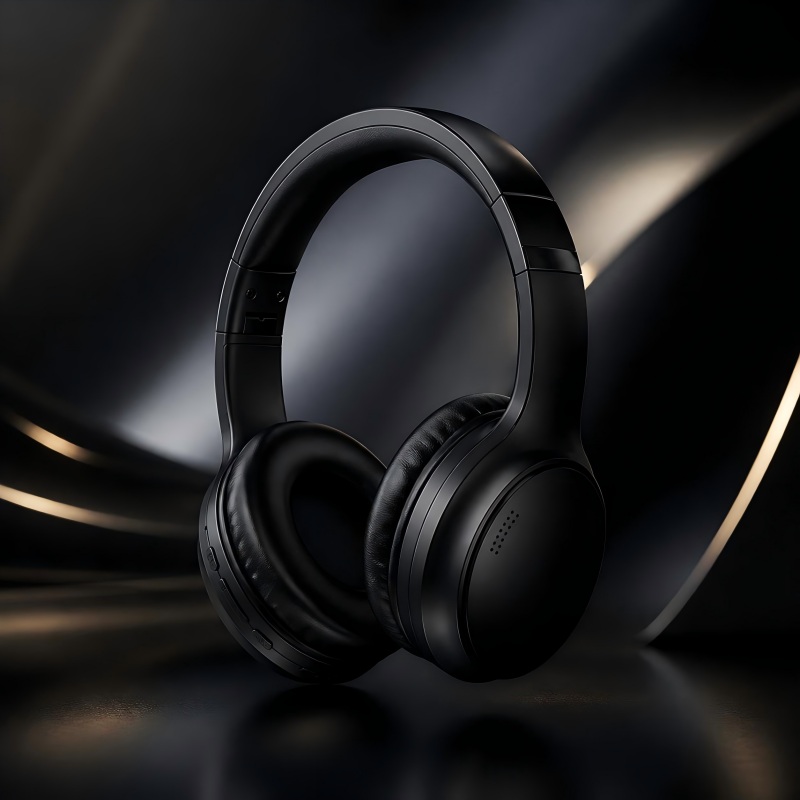
Aula’s wireless gaming headsets are designed with extended gaming sessions in mind, combining an adjustable structure with cushioned earcups for a more comfortable fit.
This is especially relevant for players who use the same headset for gaming, voice chat, music, and watching videos throughout the day.

Low Latency Makes Wireless Gaming More Practical
One of the biggest concerns people have about wireless gaming headsets is audio delay.
For competitive gaming, even a small delay between an action on screen and the corresponding sound can affect the experience. This is particularly noticeable in fast FPS games, where players often rely on short audio cues to make decisions.
Modern wireless gaming solutions can use technologies such as 2.4GHz wireless connectivity to provide a responsive connection with low audio latency. This makes wireless headsets much more suitable for gaming than the older generation of wireless audio devices.
For players who mainly play slower-paced games, latency may not be a major concern. For competitive players, however, it is worth checking the connection technology before choosing a headset.
A Good Gaming Headset Should Work Beyond Gaming
A gaming headset does not necessarily stay on the desk.
Many users switch between games, music, video calls, streaming, and other forms of entertainment during the day. A headset that works well across these situations provides more value than one designed for gaming alone.
A practical wireless headset should offer convenient controls for functions such as:
- Volume adjustment
- Microphone mute
- Wireless connection management
- Voice communication
- Switching between different use scenarios
This is one reason gaming headsets wireless have become popular among users who want fewer cables and a cleaner desktop setup.
Microphone Quality Matters in Multiplayer Games
Audio works both ways in multiplayer gaming. You need to hear your teammates clearly, but they also need to hear you. A weak microphone can make communication difficult, particularly when several players are talking at the same time. A gaming headset with a well-designed microphone should provide clear voice transmission while reducing unnecessary background noise where possible.
For team-based FPS, MOBA, and co-op games, this can be just as important as the headset’s speakers. Clear communication helps teammates coordinate movement, share information, and react to changes during a match.
When Does a Wireless Gaming Headset Make the Most Sense?
A wireless model is particularly useful for gamers who value convenience and freedom of movement.
It can be a good fit if you:
- Play for several hours at a time
- Prefer a clean and cable-free gaming desk
- Move between your gaming setup and other areas
- Regularly use voice chat
- Play competitive multiplayer games
- Want one headset for gaming and everyday entertainment
On the other hand, players who rarely move from their desk and prefer a completely cable-free-free battery-independent setup may still prefer a wired model.
The better choice ultimately depends on how the headset will be used.
How to Choose the Right Wireless Gaming Headset
Instead of looking at one specification, it is better to consider the complete experience.
Check the Wireless Connection
Look at whether the headset uses 2.4GHz, Bluetooth, or both. For competitive gaming, low-latency wireless connectivity is generally more important than simply having Bluetooth support.
Consider Wearing Comfort
Pay attention to earcup padding, headband adjustment, weight, and clamping force. These details become obvious after a few hours of use.
Look at Audio Performance
Consider whether you mainly play competitive games, story-driven titles, or a mixture of both. Your gaming habits can influence what type of audio tuning works best.
Do Not Ignore the Microphone
If you regularly play multiplayer games, voice communication should be part of the buying decision rather than an afterthought.
Think About Battery and Daily Use
Wireless freedom comes with one additional responsibility: charging. A headset should offer enough battery life for your normal gaming schedule and be convenient to recharge between sessions.
Why Choose Aula Wireless Gaming Headsets?
Aula develops gaming peripherals with a focus on the way players actually use them.
Its wireless gaming headsets combine immersive audio with wireless freedom, ergonomic design, and practical controls. Rather than relying on a single specification, the goal is to create a headset that works comfortably across different gaming scenarios.
For competitive players, low-latency wireless connectivity and clear positional audio can help maintain focus. For casual gamers, comfortable wearing and convenient wireless operation make longer sessions easier.
That balance is what makes a wireless gaming headset more than simply a wired headset without a cable.
FAQ:
Are wireless gaming headsets good for competitive gaming?
Yes. Modern wireless gaming headsets can provide low-latency audio suitable for competitive games, particularly models using dedicated 2.4GHz wireless technology.
Is a wireless gaming headset better than a wired headset?
Neither is universally better. Wireless models provide greater freedom and a cleaner setup, while wired headsets eliminate the need to manage battery charging.
Does wireless affect gaming audio quality?
Modern wireless technology can deliver high-quality gaming audio. The actual listening experience also depends on the headset’s drivers, tuning, connection technology, and overall design.
What should I look for in a gaming headset wireless model?
Focus on wireless latency, audio quality, microphone performance, comfort, battery life, and compatibility with your gaming devices.