UN Altoparlante portatile is usually bought for one simple reason: riprodurre musica. Per i bambini, Tuttavia, music often does not stay as something they simply listen to. Give them a microphone and a familiar song, and the speaker can quickly become part of a game, a performance, or a family activity.
That is where a children’s portable speaker can be quite different from a regular Bluetooth speaker. The focus is not only on how the music sounds, but also on what a child can do with it.
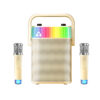
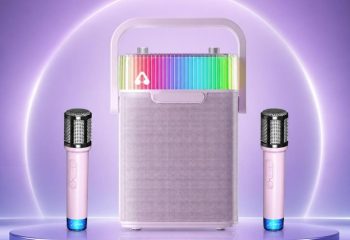
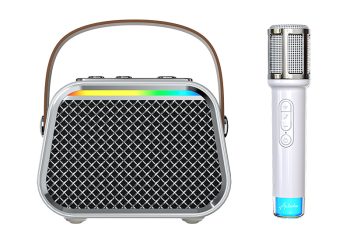
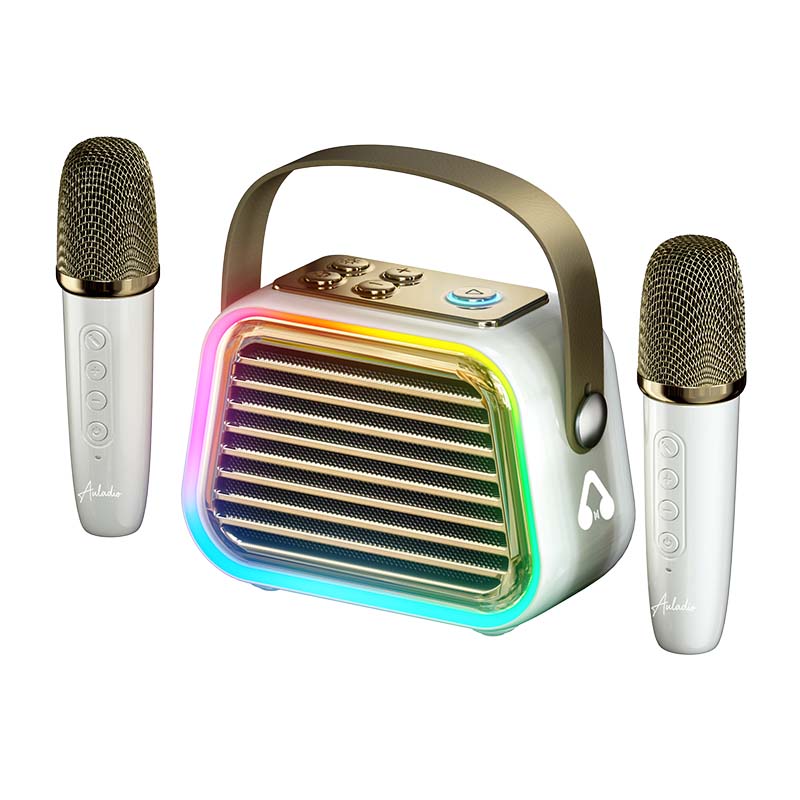
AULA takes this approach with a portable speaker built around music and karaoke. Instead of treating the microphone as an extra accessory, the speaker makes singing one of its main ways to interact with music.
Music Is More Fun When Kids Can Join In
Children rarely listen to music as quietly as adults do. A song might lead to singing, dancing, copying the singer, or making up completely different lyrics. Once a microphone is available, that natural reaction becomes part of the experience.
This is one reason a kids portable speaker with microphone can be more engaging than a speaker designed only for playback. The child is no longer sitting next to the speaker waiting for the next song. They have something to do.
It can be as simple as singing along with a favorite track at home. At a birthday party, two children can take turns or sing together. During family time, a parent and child can even turn the same song into a quick duet. There does not have to be a formal “karaoke session.” Sometimes five minutes of singing is enough.

Two Microphones Make a Difference
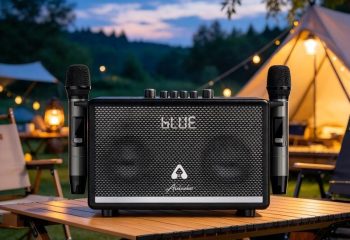
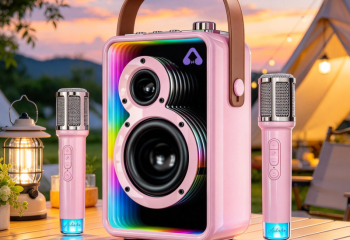
A single microphone works well for solo singing, but two microphones change the dynamic. AULA includes dual wireless microphones, so two people can use the speaker together. Per i bambini, this makes sense because sharing is often part of the fun. One child can sing while another joins in, rather than having to wait until the first performance is over.
The wireless connection also keeps the setup simple. There are no microphone cables running across the floor, and children can move around while singing. For a kids karaoke speaker, these small details matter. The easier the setup is, the more likely the speaker will actually be used rather than becoming another device that sits on a shelf.

Different Voices Keep the Same Song Interesting
Children are usually not looking for perfect vocal reproduction when they use a karaoke speaker. They want to have fun with it.
AULA provides six KTV sound modes for that reason. There is a concert-style Mode, along with Female Mode, Modalità voce originale, Modalità voce bambola, Modalità maschile, and Magic Voice Mode.
Some modes make the vocals sound more polished, while others are clearly there for fun.
Original Voice Mode keeps the vocal sound more natural. Female Mode and Male Mode change the character of the voice, while Doll Voice Mode adds a playful effect. Magic Voice Mode goes further with voice-changing effects.
For a child, the difference between these modes is simple: pressing another button can make the next song feel like a different performance. That kind of interaction is difficult to get from a conventional portable speaker.

Sound Quality Still Has to Come First
Fun effects can get attention, but they cannot compensate for poor sound.
When children are singing, the voice needs to remain understandable over the music. If the vocals sound muddy or the music becomes unpleasant at higher volume, the karaoke experience quickly loses its appeal.
AULA focuses on high-fidelity sound and voice tuning so the speaker can work for both everyday listening and singing. The idea is fairly straightforward: the speaker should sound good when nobody is using the microphone, and still sound enjoyable when karaoke starts. That makes the product more useful beyond children’s playtime. Parents can use it for music, while children can switch to karaoke when they want something more interactive.
Keeping the Controls Simple
Children do not need complicated audio controls.
They want to press a button and hear something happen.
AULA uses one-touch control for switching between modes and functions. It keeps the basic operation straightforward, which is particularly useful when several children are sharing the speaker.
Music can also be played directly from a TF card. Instead of connecting another device every time, users can prepare music on the card and play it through the speaker.
These are not particularly flashy features, but they are the kind that make a portable speaker easier to live with.

A Portable Speaker Should Actually Be Portable
Portability sounds obvious, but it affects how often a speaker gets used.
A children’s portable speaker that stays in one place is essentially a small home speaker. A portable model can move with the activity.
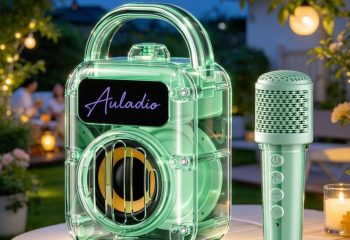
It can be used in a playroom in the afternoon, brought into the living room for family karaoke, or taken along for suitable outdoor activities. The speaker does not need to be tied to one particular room.
Per i bambini, this also makes the product feel more like part of playtime rather than another piece of home electronics.
AULA offers the speaker in five different colors, adding another small element of choice. Children can pick a color they like instead of having every speaker look exactly the same.
It Is Not Really About Karaoke
The interesting part of a portable speaker for kids is not necessarily the karaoke function itself.
It is what karaoke makes possible.
A child who starts by listening to a song can end up singing it. Another child can pick up the second microphone. Someone changes the voice effect and everyone laughs. A simple music session becomes a small performance without anyone planning it beforehand.
That is the real difference between a basic wireless speaker and a children’s speaker designed around interaction.
AULA’s combination of high-fidelity sound, six KTV effects, dual wireless microphones, TF card playback, and simple controls gives children more ways to use the speaker. It works for ordinary music, but it does not stop there.
Sometimes the best children’s portable speaker is not the one that plays the music loudest. It is the one that makes children want to do something with the music.